How to reduce wear in bucket elevators
Wear is one of the most common causes of unplanned maintenance in bucket elevators. Our technical article in International Cement Review examines how design details can influence the service life of critical components.
When wear limits service life
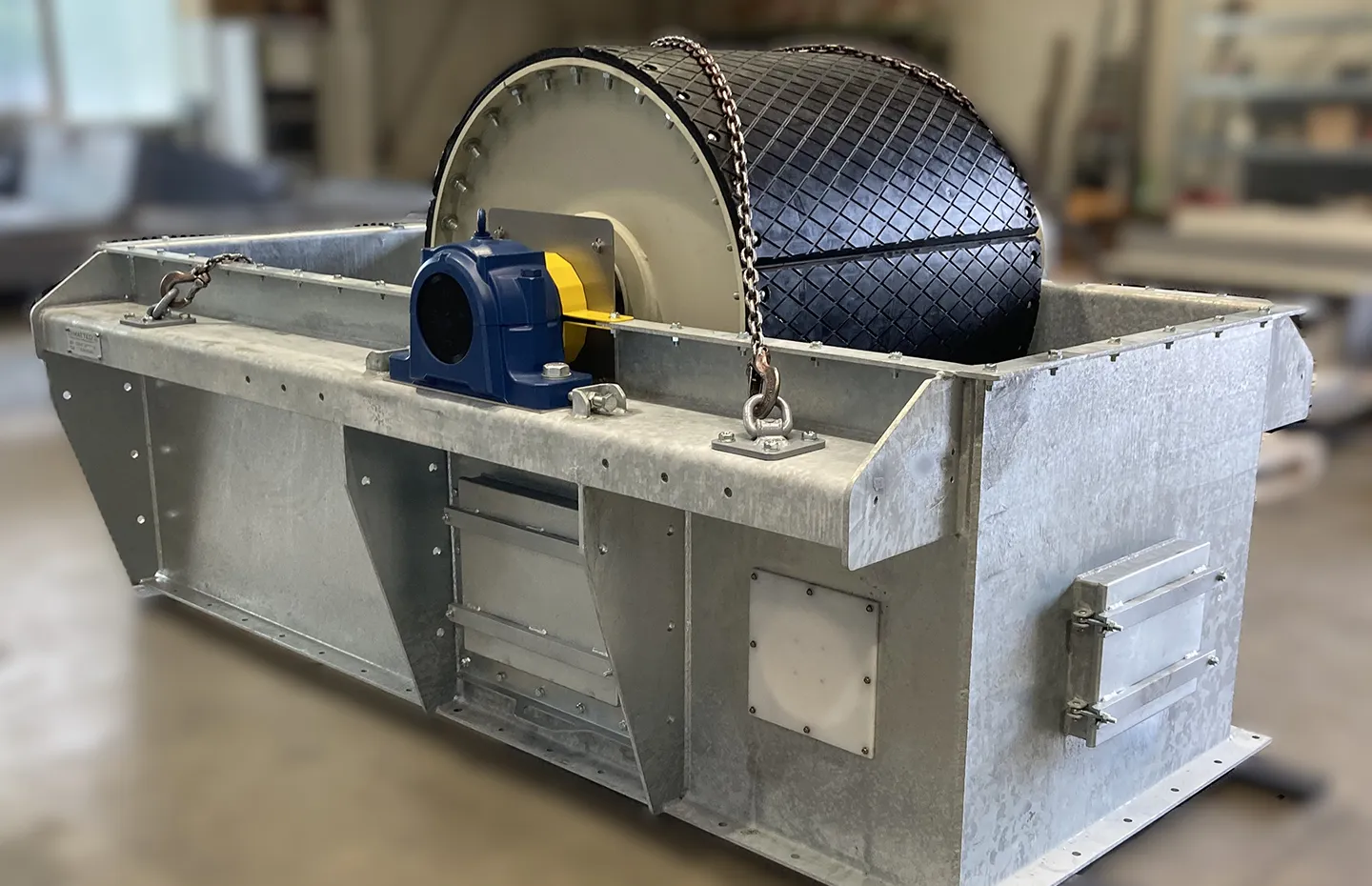
Belt bucket elevators are among the most energy-efficient solutions for vertical bulk material conveying. At the same time, material feeding, discharge characteristics and material flow can significantly influence the load on key components.
In International Cement Review, Dr.-Ing. Luigi Di Matteo and Toni Pause (M. Eng.) explain how targeted design measures can reduce component loading and extend the service life of critical equipment.
Wear often starts with the details
The article examines typical causes of wear in belt bucket elevators and shows how different design approaches can influence the loading of individual components.
Topics covered include:
- Material feeding systems and material infeed
- Discharge characteristics and material recirculation
- Chain bucket elevators and belt bucket elevators in comparison
- Pulley and belt design
- Measures to reduce maintenance requirements and wear
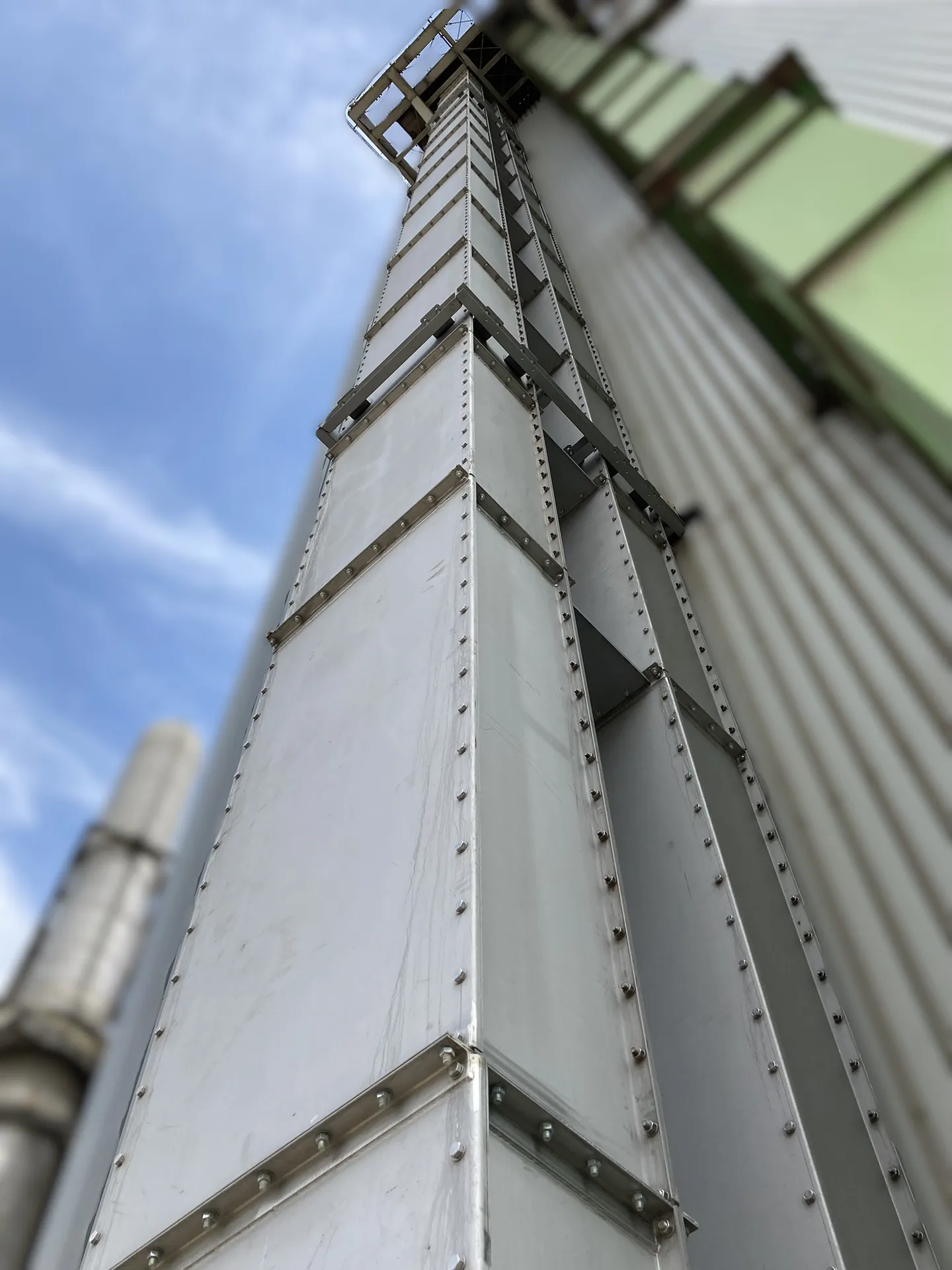
Practical experience meets analysis
In addition to experience gained from operating installations, the technical article also incorporates investigations based on image analysis and DEM simulations. The results demonstrate how targeted design modifications can contribute to reduced wear, lower maintenance requirements and improved plant availability.
Many of the findings described in the article are now reflected both in the design of modern bucket elevators and in engineering measures aimed at reducing wear.
Further details in the technical article
The full article was published in International Cement Review and is available here as a PDF download.